OpenClaw AI Monetization: 3 Paths for Vancouver Business
TL;DR: OpenClaw AI monetization is an emerging framework for leveraging autonomous agents to drive revenue through task automation and specialized deployments. This means businesses in Vancouver can now transition from manual workflows to scalable AI-driven operations using tools like Hermes and the Model Context Protocol (MCP).
The rapid evolution of the AI landscape has moved beyond simple chatbots like ChatGPT. We are now entering the era of autonomous agents—systems that don't just talk but actually perform work. For enterprises in Vancouver, understanding the mechanics of OpenClaw AI monetization is no longer optional; it is a competitive necessity. At NexAgent, we have observed a significant shift in how local firms approach digital transformation, moving from basic API integrations to complex, multi-agent orchestrations.
What is OpenClaw AI Monetization and Why Does It Matter?
OpenClaw, often paired with the Hermes Agent, represents a breakthrough in how we conceptualize digital labor. Unlike traditional software, these agents can navigate web interfaces, interact with legacy systems, and execute multi-step reasoning tasks. This capability creates a direct line to revenue. When we talk about monetization in this context, we are referring to the ability to replace high-cost human hours with low-cost, high-reliability agentic hours.
In the bustling tech hub of Vancouver, the demand for efficiency is at an all-time high. Companies are looking for ways to scale without linearly increasing their headcount. By implementing AI Automation Vancouver strategies, businesses can utilize OpenClaw to handle everything from lead generation to complex data entry. The "monetization" aspect comes from the drastic reduction in operational overhead and the ability to offer new, high-speed services to clients that were previously impossible to deliver profitably.
How Can Businesses Leverage Autonomous Agents for Revenue?
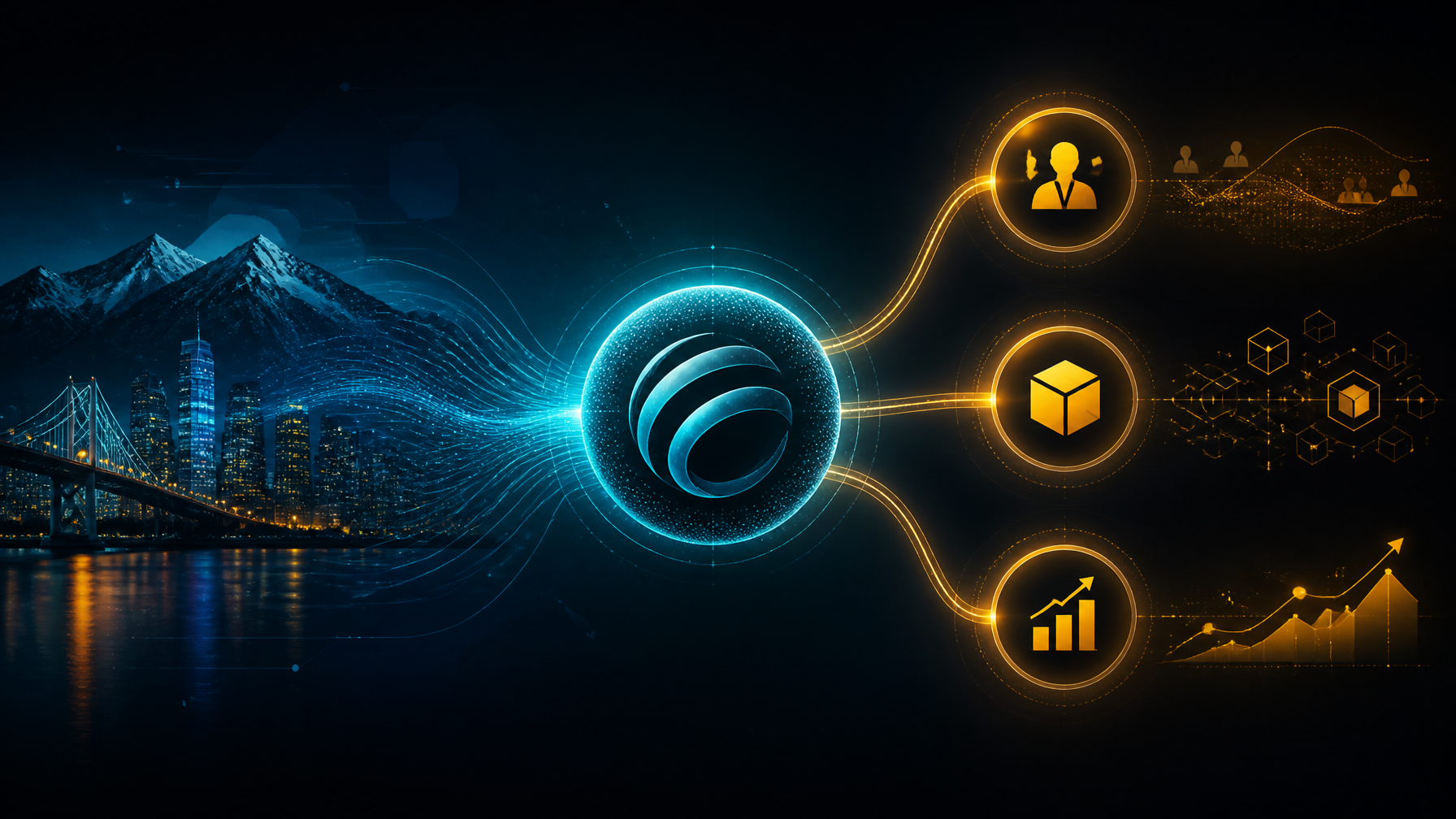
There are three primary paths to realizing financial gain from these technologies. Each path requires a different level of technical expertise and market positioning, but all are currently being exploited by early adopters globally.
1. Task Automation and Service Outsourcing
The most immediate path is the automation of repetitive digital tasks. Hermes is particularly adept at multi-agent collaboration. For example, one agent can be tasked with market research using Claude's reasoning capabilities, while another synthesizes that data into a report using GPT-4o.
- Content Operations: Automating the research, drafting, and SEO optimization of blog posts.
- Customer Support: Deploying agents that can actually resolve tickets by interacting with internal databases.
- Lead Prospecting: Using agents to find, vet, and initial-contact potential B2B clients.
- Data Migration: Moving large datasets between incompatible systems without manual entry.
By reducing a 3-hour task to a 15-minute automated workflow, a service provider can maintain their pricing while increasing their margins by 90%. This is the core of modern AI-driven arbitrage.
2. Selling Specialized Configuration Packages
As the ecosystem matures, a secondary market has emerged for "pre-configured" agents. Not every business owner has the time to learn how to prompt an agent or set up the Model Context Protocol (MCP). This creates an opportunity for developers and consultants to sell "Agent Souls" or specialized configuration files.
- Niche Prompts: Highly tuned instructions for specific industries like real estate or legal.
- Tool Integration Sets: Pre-built connections between OpenClaw and common SaaS tools.
- Workflow Templates: Step-by-step logic gates for complex business processes.
- Security Profiles: Hardened configurations for sensitive data handling.
3. High-Value Private AI Deployment
For larger enterprises, the focus is on security and data sovereignty. This is where Private AI Deployment becomes the most lucrative monetization path. Vancouver-based consultants can earn significant fees by helping firms install OpenClaw locally, ensuring that proprietary data never leaves the corporate firewall. This involves setting up local LLMs or secure gateways to providers like OpenAI or Anthropic.
Why is the Model Context Protocol (MCP) Changing the Game?
One of the biggest hurdles in AI adoption has been the "silo problem." AI models were often trapped within their own interfaces, unable to see or touch the user's local data or external tools. Anthropic recently addressed this by introducing the Model Context Protocol, an open standard that allows agents to connect seamlessly to data sources and tools.
For NexAgent, MCP is a foundational technology. It allows us to build agents for our clients that can read their local files, query their SQL databases, and even interact with their Slack channels in a standardized way. This interoperability is what makes OpenClaw AI monetization truly scalable. Without a standard protocol, every integration would be a custom, expensive coding project. With MCP, we can deploy solutions faster and more reliably.
Furthermore, the integration of GEO & AEO Services ensures that the content these agents produce is optimized for the next generation of search—Answer Engine Optimization. As users move away from Google Search and toward AI-driven answers (like Perplexity or Gemini), businesses must ensure their brand is the one the agent recommends.
Which Industries in Vancouver Benefit Most from AI Agents?
Vancouver's economy is diverse, but several sectors are uniquely positioned to benefit from OpenClaw deployments. The common thread among these industries is a high volume of digital paperwork and a need for rapid response times.
- Real Estate: Automating property listings, tenant screening, and market analysis.
- Logistics and Shipping: Managing complex manifests and coordinating between multiple stakeholders.
- Technology and SaaS: Using agents to handle documentation, code reviews, and bug triaging.
- Professional Services: Legal and accounting firms using agents for discovery and document reconciliation.
NexAgent works closely with local leaders to identify these high-impact areas. By focusing on the intersection of human expertise and agentic efficiency, we help Vancouver firms stay ahead of global competitors who may be slower to adopt these autonomous frameworks.
Can OpenClaw Integrate with Existing Enterprise Systems?
Yes, and this is where the technical sophistication of the platform shines. Through the use of APIs and the aforementioned MCP, OpenClaw can act as a "connective tissue" between legacy software and modern AI models like Gemini or GPT.
- API Connectivity: Connecting to RESTful services to pull and push data.
- Web Scraping: Using headless browsers to interact with sites that lack APIs.
- Local File Access: Processing PDFs, spreadsheets, and text files securely.
- Human-in-the-loop: Creating checkpoints where the agent pauses for human approval before taking a critical action.
In conclusion, the path to OpenClaw AI monetization is paved with automation, specialization, and secure deployment. Whether you are a solo consultant selling configuration packages or a Vancouver enterprise looking to overhaul your operations, the tools are now available to turn AI potential into tangible profit. The era of "just talking" to AI is over; the era of AI doing the work has begun.